
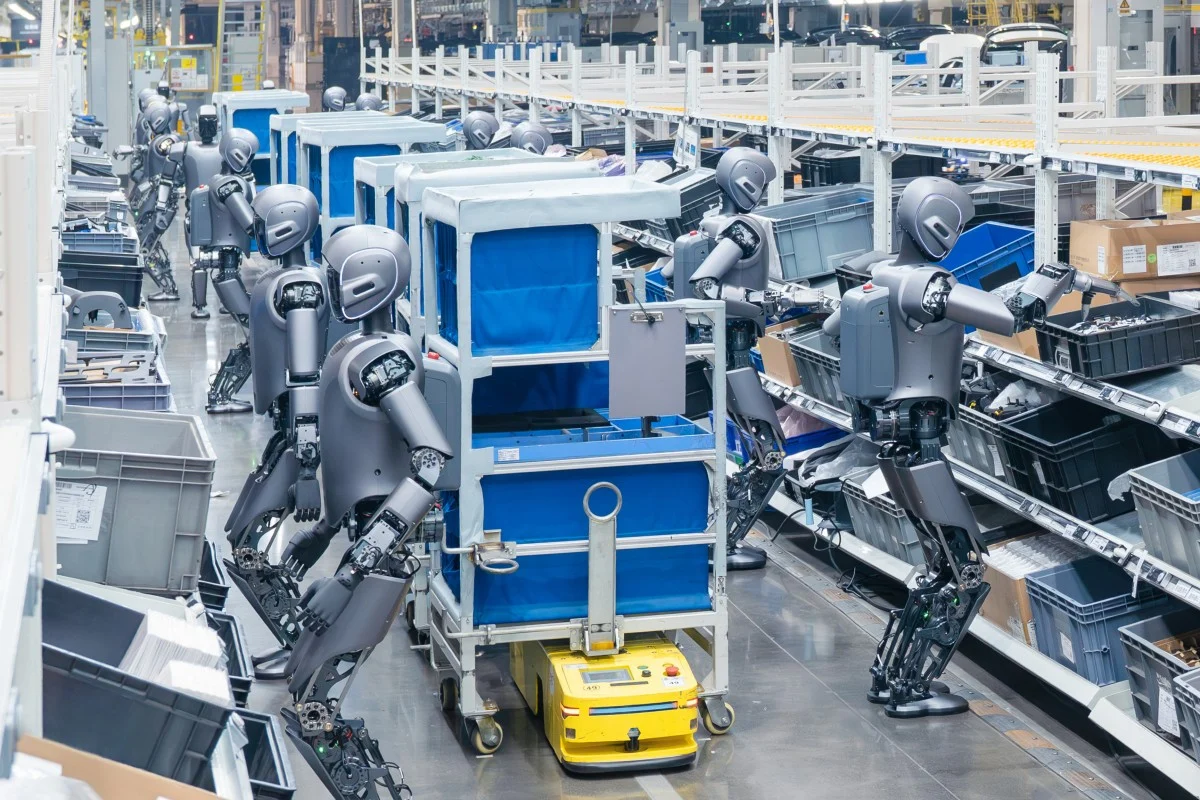
Cuando se considera el potencial de los avances tecnológicos en las industrias automotrices y de robótica, es crucial estar informado sobre los desarrollos y direcciones estratégicas de las empresas líderes. Abraza el futuro que se despliega donde la robótica podría superar a la industria automotriz en impacto y alcance según predicciones de líderes del sector como Xpeng. La aplicación de la robótica, especialmente de los robots humanoides, se espera que aumente significativamente, pasando de usos industriales a funciones cotidianas domésticas en los próximos años. Este cambio indica un salto monumental hacia una futura tecnología más integrada.
XPeng, una destacada fabricante china de vehículos eléctricos (VE), ha estado al frente de esta transformación. La empresa vislumbra un futuro donde la inteligencia artificial (IA) y la automatización juegan roles cruciales tanto en conducción como en robótica. Los esfuerzos estratégicos de XPeng incluyen el despliegue de robots humanoides en entornos comerciales y el desarrollo de ecosistemas de movilidad impulsados por IA que incluyen vehículos autónomos y vehículos voladores. Esta ambiciosa visión está respaldada por inversiones significativas que van desde 50 mil millones de yuanes hasta 100 mil millones de yuanes en los próximos dos décadas, enfocadas específicamente en avanzar en robótica humanoid. Además, la dedicación de XPeng a mejorar las tecnologías de conducción autónoma es evidente en su reciente revelación de un procesador de IA desarrollado internamente llamado Turing, destinado a apoyar sus próximas generaciones de vehículos eléctricos y robots con capacidades computacionales superiores. A medida que XPeng y otras fabricantes automotrices chinas aceleran sus esfuerzos para integrar tecnologías de IA, no solo contribuyen al paisaje tecnológico sino también se alinean con iniciativas gubernamentales que promueven la IA y la robótica para revitalizar la economía. La perspectiva de que estas tecnologías se vuelvan mainstream podría redefinir la vida cotidiana, haciendo que la robótica avanzada y los vehículos autónomos sean componentes integrales de la sociedad.